Thursday, September 15, 2022

Book review - Radical Candor: Be a kick-ass boss without losing your humanity, by Kim Scott


Radical Candor is a book I got to after years of getting references to it from various places - blogs, other books, people. It means that I had high expectations *and* was pretty sure I wouldn't be surprised by the content. Not an easy place for a book to be. Despite those difficult starting conditions, it manages to live up to the reputation it has, and to pack the information in a useful, coherent way.

I've listened to an audiobook of the 2nd edition, and it starts with an attempt to defuse a common backlash of the 1st edition: Radical candor is not a permission to be an arsehole, nor is it an invitation to be cruel. The main reason of being truly candid with someone is because we care. It is this care that drives us to provide feedback even if it's painful, and to make sure the recipient is able to make use of it. The book cover is providing a neat summary of the main idea behind this book. Relevant behavior is measured on two axes: Caring personally and challenging directly. Caring personally is being interested in the well being of the person you are working with (in the book, the people you manage). Not offending them, providing them with opportunities to improve, etc. Challenging directly, on the other hand, is about getting things done - pointing out mistakes, being accurate and concise, regardless of how people feel about it. 

Those axes create four distinct categories:

  • Manipulative insincerity: Low caring, low challenging. This is where you show no care for the other person and for the mission - you avoid conflict by not giving someone difficult feedback, but having no problem backstabbing them when they are not around. You might want to be on that person's good side, to pat their ego or simply to get that person off your hands. If you see someone being sweet and enthusiastic with someone, only to sigh and roll their eyes the moment the other person leaves - that's it. 
  • Ruinous empathy: High caring, low challenging. The intentions behind this are kind - not making someone feel bad, giving them leeway since they are in a difficult time, or simply wanting to avoid conflict. The end result though is indistinguishable from manipulative insincerity, as in both cases you will keep silent or give underserved praise. The fact that you mean well doesn't really matter, as the road to hell is paved with good intentions and in this case,  hiding the mess under the carpet will come back to bite both of you in the rear.
  • Obnoxious aggression: Low caring, high challenging. Surprisingly, this is actually the second best place to be in. People getting the business end of this behavior might cry, stress out or feel attacked, but things actually get done and either improves or breaks completely. If people can grow the necessary thick skin to survive, they will get direct feedback and could build on it to improve. Don't expect employee retention to be high, though, as this assault on the employees ego and confidence will tire most of them enough to quit.
  • Radical candor: High caring, high challenging. This is the sweet spot between obnoxious aggression and ruinous empathy. You give employees actionable feedback and help them process it and improve from it. You take care not to say "This code is shit", but rather "This code isn't good enough, it should be broken to smaller functions, improve variable names and care more about log levels, you usually do better". 
It's important to notice that there isn't a recipe for being radically candid with someone, as what matters is not what was said but rather what was heard and understood.  One person will understand "this work is shit, take the time to do it well" as a personal judgement and will be discouraged, while another would see it as an honest evaluation of the work and an appreciation of their skills when not under pressure. The first might be at a loss about what is wrong and would require more direct guidance such as "it works, but will be hell to maintain unless we clean up the wording and build a better structure while the second might get annoyed with you explaining the obvious and micromanaging them. the difference could be rooted in personal preferences on getting feedback, but it can also be a result of how much the person trusts you, how confident they are in their current situation and skills or how they woke up this morning. Complicated? it sure is. You will make mistakes, and the only question is how many and how severe they will turn out to be. A strong relationship is a good buffer to absorb such mistakes, so it is worth investing in it from the onset. 

After the reader (listener, in my case) has understood both what is radical candor and why is it important, it's time to implement those ideas. The book goes on to discuss strategies of creating a radically candid culture around you, peppered with examples from the author's experience that helps understanding the theory as well as the need for anyone to devise their own strategies. I won't go into all of the details as the book does it way better than I could (plus, the author has put a lot of effort into it, go read her work, no mine) but all in all, it's definitely a book I'll listen to again, and  it helped me frame office (and personal) communication in a helpful manner.

At the end of the audiobook there was a preview of another book: "How to Root Out Bias, Prejudice, and Bullying to Build a Kick-ass Culture of Inclusivity". The text there is a little bit less polished and I'm not sure I got the the bottom of what was communicated to me, but even so it was very moving, which is what to be expected from an introduction section to a book (as I believe this text to be) I found myself wondering several times "What the F?? which decent human being would behave that way? there's bias, and there's straight out harassment". So, this is a solid  "maybe" with good potential. 

Saturday, July 16, 2022

How to botch a consulting gig


 גרסה עברית

 The company where I work in is undergoing a process change. More specifically, it's branded as an "Agile transformation", which in my eyes is a rather necessary step, as we are dealing with the pains of growing from a small startup to a larger organization, and the informal channels that were so great before are now creating chaos and making it that much harder to get work done. In order to do this properly, we have brought some external coaches to help us figure out the right process for us. It started pretty well: The VP of engineering has stated our goal in a town-hall meeting, and introduced the consultants who were to start working soon. At least to me, the message was pretty clear, and it was nice to focus our attention on our working process. 

Then, at least from my perspective it went downhill. However, before I go on to identify the mistakes I saw I want to clarify my point of view - I am an individual contributor in the company, one of about 70 (If I have my numbers right). I'm not part of the leadership team and did not attend many of the meetings, so I'm assuming I don't see many of the constraints. 

With this disclaimer out in the open, the list of botches is short but seemingly fatal.

After the first announcement came more than a month of silence. We've seen the consultants wander around in the corridors or sitting with upper management in meetings, but nothing was transmitted down. We were left in the dark about the prep work they were probably doing. This long period of time meant that momentum was lost after a good pitch and it also gave people time to speculate, to worry and to build a negative image of the consultants. After all, when you see someone every office day, you expect to have at least a rough idea about what they do. If you can't get that, assuming this person does nothing  is the default. This dark period was long enough that I went to the PM (who had a strong part in coordinating this transition) when they plan to start working, which I only did after someone in my team asked me whether such conduct is normal.

They were, probably, gathering information and building a strategy for the organization, which leads me to the second botch: They talked almost exclusively to management. I know that they asked for some names of non-managers to talk to, but have no idea whether they followed up with any of them. I know that my name was given to them and that I was not approached . Talking to non managers in the information gathering phase is critical, as it enables you to have a more complete picture of the organizational state, as well as make sure people feel their voice is heard. 

It's not very surprising that the next fail point was the solution presentation. 

On the face of it, it was done as it should - they have set time with each team to present the new way we plan to work, giving each team time to ask questions, to understand how it should impact their work and focus on the points most relevant to them. However, the result was adding injury to insult. The meeting was based on a template presentation that looked like it was taken from scrum-101, dwelling on explaining the basic scrum terms and process and ignoring the elephant in the room: The problem all teams are feeling very painfully is the communication disconnect between various teams and groups. Any decent solution would at least acknowledge this problem, even if it was only to say "after completing this first step, here's our current thoughts of what we are hoping to do, and that's why it is not the first step. Another problem in the meeting was that it all felt like a shallow sprinkle of scrum on the structural and procedural problems we have,trying no to rock the boat (I'm guessing) and hoping for a miracle. Under the very wide umbrella of "this is the first step, let's roll with it and improve on what we get" we are keeping the silo-structured teams, putting the team leads into both scrum-master and product owner roles and did not even hint about how will the backlog be populated or prioritized, not to mention how do we plan to help  teams start working together on the smallest value unit that can arrive to production - which we call "Epic", just to confuse people who have some previous scrum experience. Add to that a consultant that is not well versed in the relevant literature to the domain (when I mentioned that having the same person act as scrum master and product owner is usually considered as problematic and asked for the reason behind this choice, I got a response of "I'm not familiar with such articles", which meant I had to spend a whole 30 seconds of google to find 3 such examples) and you might understand that different teams came out of this meeting with either with a feeling of "ok, so nothing is going to change" or just disappointed and feeling that the whole charade is not addressing any of the important issues.

Whatever credit the consultants might have had before this meeting was now thoroughly obliterated.

Despite that, I'm optimistic about the process we are undergoing. Even if the consultants won't be able to recover from this poor start, and even if they will make every other possible mistake, Just by bringing them in the organization has created a space to talk about the process, to introspect and see the pain points that teams are experiencing, and ultimately, we have some very bright people with diverse experience working together and those two facts alone will lead the organization to a better place.


So, to sum  the points you might want to remember in your next consultancy gig:

1. Collect information from all levels of the org. Meeting with 12 teams to a 2 hours round table each will take you roughly a week. You probably need less than that. 

2. Transparency isn't enough - be vocal about your work. People, not only those that write you the check,  should have the feeling that you are working and have an idea what about.

3.Understand the problems people feel, and address them even if you believe the problem is something else. In the latter case, share your understanding and test it. 

4. Tailor your out-of-the-box content to your audience.


איך להיכשל כיועץ


 English version

התחלנו שינוי ארגוני בעבודה. ספציפית, אנחנו עוברים למשהו שדומה יותר לסקראם. האמת? יש לנו לא מעט מה להרוויח מכזה מעבר - זה עוד צעד שאנחנו עושים כחלק מהמעבר מסטארט-אפ קטן שרץ מהר ושובר הכל לחברה בוגרת שמסוגלת לתכנן קדימה בצורה אחראית כלפי הלקוחות שלה. אפשר לומר שערוצי התקשורת הלא רשמיים שעבדו נהדר בחברה קטנה כבר לא מחזיקים מים לנוכח הררי העבודה שאנחנו עושים. יש יותר מוצרים, יותר צוותים, יותר לקוחות וכל זה אומר שיש הרבה יותר מקום להפיל דברים בין הכיסאות, כך ששינוי כלשהו בהחלט נדרש. כדי לבצע את השינוי כהלכה, הבאנו יועצים חיצוניים שיעזרו לנו להימנע מטעויות נפוצות ולמצוא את התהליך שיתאים לצרכים הספציפיים שלנו. אחלה.אפילו התחלנו ממש ברגל ימין - בפגישה של כל המחלקה הציג המנהל את הכיוון החדש שאנחנו רוצים ללכת בו, איך זה הולך לעזור לנו והציג את היועצים שיתחילו ממש או-טו-טו. המסר היה ברור והמיקוד בשיפור התהליך היה מאוד חיובי בעיני. 

משם, עד כמה שאני יכול לומר. הכל הידרדר.
לפני שאתחיל לפרט מה בדיוק השתבש, חשוב לי לומר שאני מציין דברים מנקודת המבט שלי - עובד מן המניין שאינו מנהל, כך שלא הייתי חשוף לחלק ניכר מהדיונים או לאילוצים השונים שהם פעלו תחתיהם. בהחלט ייתכן שמה שאני רואה כהחמצה אדירה זו התוצאה האפשרית הטובה ביותר בהינתן המצב.

בכל מקרה, אחרי ההבהרה הזו, אני רוצה לפרט את רשימת הכשלים, שבעוד שהיא קצרה, היא גם קטלנית לתהליכים כאלה. 

בראש ובראשונה, היה יותר מחודש של דממה. ראינו את היועצים מסתובבים במשרד, יושבים לפגישות עם ההנהלה, מציגים מצגות, אבל בפועל - הם דיברו עם מעט מאוד אנשים (אני לא יודע על אחד שאינו מנהל שדיברו איתו, אני יודע שהם קיבלו כמה שמות ולכן בהחלט ייתכן שהם עשו זאת, אבל אחד השמות האלה היה שלי, אז הם בוודאות לא דיברו עם כל מי שהם קיבלו את שמו), שום דברים לא קרה ולאף אחד לא היה מושג מה הם עושים כאן. עבודת ההכנה שהם ככל הנראה עשו נשארה במסתרים. תקופת הדממה הזו לא באה בחינם. בכל רגע שעבר הם איבדו עוד קצת מהמומנטום הראשוני ונתנו עוד זמן לאנשים לתהות "אז מה היועצים האלה עושים כאן?" לדאוג מהשינוי המתקרב, להעלות השערות לא מבוססות ולבנות תמונה שלילית של היועצים. אחרי הכל, אנחנו יודעים, בערך, מה העבודה של כמעט כל מי שאיתנו במשרד. אם אין לנו אפילו תמונה כללית של "מה עושה ישראל ישראלי בעבודה" אנחנו מניחים שהוא בטלן שלא עושה כלום. למעשה, אחרי זמן מה ואחרי שאלה מצד אחד מחברי הצוות (שרצה לדעת אם התנהלות כזו היא נורמלית אצל יועצים), הלכתי לprogram manager שלנו (איך מתרגמים את זה לעברית?) שיש לו חלק משמעותי במעבר הזה ושאלתי אותו מתי הם מתחילים לעבוד. במקרה, זמן קצר אחר כך נתקלתי באחד היועצים במטבח ושאלתי אותו את אותה שאלה, בעיקר כדי לשקף לו מה התחושה בקרב העובדים שהוא לא מדבר איתם.

כאמור, מה שהם כנראה עשו בזמן שמתחילת העבודה שלהם ועד אותו רגע היה כנראה לאסוף מידע ולבנות תוכנית, מה שמוביל לכשל השני. הם דיברו בעיקר עם מנהלים. לאסוף מידע מהצוותים ולהבין את נקודת המבט שלהם ואת הלחצים המופעלים על הצוותים השונים היה יכול לתת להם תמונה שלמה יותר של עולם הבעיה, אבל גם לתת לאנשים תחושה שמקשיבים להם ושמנסים לפתור את הבעיות שמציקות להם. שיתוף מוקדם, גם אם הוא מזוייף לגמרי, מונע תחושה של "הנחתה" ומאפשר לנו לבדוק את הרעיונות שלנו לפני שהתחייבנו אליהם. אולי הצגה מוקדמת של הרעיונות הייתה יכולה להציף נקודות שכדאי להתייחס אליהן, אולי שיחה עם הצוותים הייתה מצביעה על הפיל שבחדר. זה גם לא מאוד יקר לאסוף את המידע הזה - אם מקדישים שעתיים לשולחן עגול עם כל אחד משנים עשר הצוותים אנחנו מקבלים עשרים וארבע שעות. זה שבוע של אדם אחד. לגמרי משהו ששלושה אנשים יכולים לעשות ביומיים.

זה, כמובן, מביא אותנו לכשל האחרון (עד כה) - הצגת הפיתרון. 

לא הרבה אחרי ששאלתי מתי הם מתחילים לעבוד נקבעה לכל צוות ישיבת התנעה בה יוצג הכיוון שאליו אנחנו רוצים ללכת. באופן שטחי, זה בדיוק הדבר הנכון לעשות: לתת לכל צוות את המרחב שלו לשאול, להבין, להשמיע חששות ולקבל מענה לדאגות הספציפיות שלו. בפועל, התוצאה הסופית הייתה גרועה יותר מאי עשייה. הפגישות היו מצגת "מבוא לסקראם תיאורטי" גנריות והתעכבו על הסבר של כל מיני מונחים ותפקידים, ואיך עובד סקראם בתוך צוות. מה לא היה שם? הפיל שבחדר. שום דבר שרלוונטי להקשר הספציפי שלנו. הבעיה הכי משמעותית שמשפיעה על כל הצוותים. קצרים בתקשורת בין-צוותית ובין קבוצתית. כל פיתרון שנעשה עם מינימום של השקעה היה לכל הפחות מתייחס לזה. גם אם רק כדי לומר "חבר'ה, את הבעיה הזו נצטרך לפתור אחר כך, הנה רעיונות שאולי יתאימו, נראה אחרי השלמת הצעד הראשון. אם אתם רוצים לדעת למה זה לא הדבר הראשון שאנחנו מטפלים בו, נשמח לדבר איתכם".
בעיה נוספת שהייתה במפגישה היא שלא הייתה בה שום בשורה - רוב האנשים יצאו ממנה בתחושה של חוסר משמעות. שאנחנו הולכים להתיז קצת בושם בניחוח סקראם על המבנה הקיים שלנו ולקוות שבדרך נס זה יפתור את הבעיות שאנחנו חווים. זה היה נראה כאילו מטרת הצעד הראשון הייתה "לא לטלטל יותר מדי את הסירה" נשארנו עם מבנה של צוותים מבודדים, אנשי הנהלת המוצר אינם חלק רשמי מהתהליך וכל ראש צוות אמור לתפקד גם בתור ראש צוות, גם כסקראם מאסטר וגם כProdocut owner -ו מי שמכיר סקראם ידע לומר שאלו שלושה תפקידים שבדרך כלל נזהרים מאוד שלא לערבב אותם - גם מפאת הזמן שכל תפקיד לוקח, אבל גם בגלל סתירות פנימיות בין התפקידים (יש לציין, כשהעליתי את הנקודה בפני היועץ ושאלתי למה החלטנו להיות חריגים בנקודה הזו, הוא טען שהוא לא מכיר טענות כאלה. לקח לי שלושים שניות בגוגל למצוא לו דוגמאות, אז אשאיר את זה כתרגיל לקורא). איך כל ראש צוות אמור לתפקד כבעל מוצר כשיש תלויות עם צוותים אחרים? מי מתחזק את הבקלוג? איך מתמודדים עם בלת"מים ועיכובים? זה, כמובן, לא היה בפגישה. מי שנכח בפגישה יצא עם תחושה שהכל הולך להישאר בדיוק אותו דבר. מי שהגיע עם ציפיות לשיפור יצא מאוכזב מכך שכל ההצגה הזו לא מנסה אפילו לטפל בנושאים שכואבים לו.

בקיצור - כל טיפה של קרדיט שאולי הייתה עדיין ליועצים בשלב הזה התאיידה לה אל חלל האוויר. 


למרות זאת, אני די אופטימי ביחס לשינוי שאנחנו עושים בעבודה. גם אם היועצים ימשיכו לעשות עבודה חובבנית ולגרום נזקים, וגם אם הם יעשו כל טעות אפשרית, עצם העובדה שהביאו אותם לארגון יצרה מקום בו אפשר לדבר על התהליך, לבחון לעומק ולראות את הנקודות שכואבות לנו כמחלקה. בסופו של יום, יש לנו אנשים חכמים עם ניסיון מגוון וברגע בו אנחנו מנסים לשפר את התהליך שלנו, זה רק עניין של זמן עד שנצליח.

אז, אם אתם מוצאים את עצמכם בתפקידי ייעוץ, הנה כמה טיפים שכדאי לא לפספס:

  1.  אספו מידע מכל מי שרלוונטי. או לפחות ממספיק גורמים מגוונים.
  2. שקיפות זה לא מספיק. היו קולניים לגבי העבודה שלכם. אנשים, ולא רק אלו שחותמים על הצ'ק שלכם, צריכים להרגיש שהם יודעים בערך מה אתם עושים. 
  3. הבינו מה הבעיות שאנשים חושבים שיש להם. גם אם תגיעו למסקנה שהבעיות האמיתיות נמצאות במקום אחר, תוכלו להתייחס לתחושות האלה. אם אתם חושבים שהבעיה נמצאת במקום אחר - השמיעו קול, תנו לאנשים להגיב ובחנו את התיאוריות שלכם. 
  4. בלי תוכן מוכן מראש. לכל הפחות דאגו להתאים את התוכן שלכם למקם שאתם מייעצים לו. 


Saturday, February 12, 2022

Troubleshooting


 גרסה עברית

Last week I faced a moment of frustration. And not the good "why isn't it working" kind of frustration. That kind I'm used to, and I normally end up learning something. This time I was frustrated with the people I work with. The story is quite simple - we had (yet another) problem in our systems, and they set out to investigate it. I was busy with a super-urgent-clock-is-ticking kind of task, so I wasn't available to help in this investigation. I did try to ask some guiding question, such as "what error do you see in the log", or "can you reproduce it on your system?" but other than that I was doing my best not to get involved. 

After a while they have been struggling with the problem, my manager asked me to time-box 20 minutes for this, as it was blocking most of the team. After checking that the urgent task can wait this long, I took a look. Then I got upset. Two people have been looking on this, and the best they could come up with was to quote a partial error and the step which was failing. No guess of what could have happened, no narrowing down of the problem, a simple "it fails with this message". Yet, when I took a look, it was less than 30 seconds to figure out what was wrong, then perhaps 15 more minutes to find a workaround that is actually working. 

I reflected a bit on this negative feeling - somewhere between disappointment and annoyance - and figured out why I was so upset, and this helped me notice something I didn't see before.

I was upset because I always assume that the people I'm working with are smart and capable people who are doing the best they can., and any contrary example is touching a raw nerve for me and makes me wonder why I'm bothering investing so much time and effort trying to collaborate with them instead of working individually. Then, after processing it a bit more and recalling the fundamental attribution error I could say that it's probably not that the people who failed in a task I found trivial are not smart or that they don't try their best, it's more likely that there are some other factors I'm not aware of that make this behavior reasonable. Both of them had other tasks putting pressure on them, and both are fairly inexperienced - between them they have less than 18 months of experience. In addition, it reminded me that troubleshooting is a skill that needs practice and learning, which prompted this post - I want to share the way I approach troubleshooting, hoping it might help people. 

The first thing worth noticing about troubleshooting is that almost anyone related to software development need to do this quite a lot - programmers, testers, CS, Operations, and however you might call the team managing your pipelines. The second thing worth noticing is that  it looks a lot like bug investigation, so being a better troubleshooter will make you a better tester as well. In fact, the main difference between troubleshooting and bug investigation is the goal we have: troubleshooting is about making a problem go away, or at least find a way to do our task around it, where bug investigation is more about understanding the cause and potential impact of such problem, so if a bug just flickers away we'll hunt it down.

So, how do I troubleshoot? Here's a short guide:

  1. Is it obvious? Sometimes the errors I get or the symptoms I experience are detailed enough that no investigation is actually needed. I can easily tell what has happened and skip directly to fixing or finding a workaround.
  2. Can I reproduce it? Does it happen again? if not - great, problem gone. It might come back later, in which case I might try a bit harder to reproduce it or trace its cause, but usually, a first time problem that isn't easily reproducible doesn't really need shooting. I skip to "done for now" and continue with whatever it is that needs doing.
  3. Create a mental model - what was supposed to happen? Which components are talking with which systems? What relevant environmental factors should be considered? What has recently changed?
  4. Investigation loop:
    1. gather information. Google the error message or symptom, gain visibility on the relevant flow, ask around if anyone have seen such a problem, etc.
    2. Hypothesize. Guess what might be causing the problem. 
    3. Try to disprove the hypothesis: 
      1. Create a minimal reproduction of the problem
      2. Find contrary evidence in log file, side effects, etc.
    4. Tweak. Based on my current guesses, try working around or mitigate the cause of failure. I suspect a code change? I'll revert to a previous state. Server can't be reached? I'll tweak in order to gain more information. I might check for ping, or DNS resolution. 
    5. Check to see if problem has gone away. If so - update the theory of what happened and finish.
    6. Update and narrow the model. Using the information I gained, zoom in on the relevant part of the model and elaborate it. For example, a model starting with  "I can't install the product", might narrow to "I have a remnants from a faulty uninstall that are preventing a critical operation" or to "the installation requires active internet connection and the computer has been plugged out", it can be more complicated than that. 
    7. If  I can't narrow down the model, or can't come up with a next theory of what might be wrong, I still have two options:
      1. Hail Mary - I'll change a random thing that I don't expect to help but is related in some way. For instance, I might follow instructions on the internet to find a relevant configuration change, or reboot the system. Who knows? I might be lucky and gain more information, or even make the problem go away for a while. 
      2. Ask for help. Find someone who might have more knowledge than me, or just a fresh perspective, and share my model, failed attempts and guesses I couldn't or didn't act upon, and we'll look at the problem with that person's knowledge and tools. 
  5.  Now we know what's wrong, or at least we're confident enough that we know, time to shoot down the problem. Find a way to configure a tool we were using and was causing problems, change the way we operate, sanitize our environment, or whatever will work to our satisfaction. 

That's it. I hope this flow will be helpful, at least to some extent. If you have additional tips on troubleshooting - I'd be happy to hear about them. 

תפעול תקלות


English version

בשבוע שעבר היה לי רגע של תסכול. לא תסכול טוב של "אבל למה זה לא עובד??" אלא תסכול שקשור לאנשים שאני עובד איתם. הסיפור, בתכל'ס די פשוט - הייתה לנו (עוד) תקלה עם סביבת ההרצה שלנו, ושני אנשים מהצוות ניסו לתקן אותה. אני, מצידי, הייתי עסוק במשימה סופר-דחופה-הדדליין-זה-אתמול, אז לא הייתי זמין לעזור גם כשהם ביקשו עזרה. כן ניסיתי לזרוק איזו שאלה מנחה או שתיים - דברים כמו האם הסתכלתם בלוג? מה הוא מלמד אתכם? האם אתם יכולים לשחזר את הבעיה בסביבה שלכם? האם אתם יכולים להגדיר את הבעיה בצורה יותר מדוייקת מאשר "זה לא עובד" ? אבל חוץ מזה דחיתי בתקיפות את בקשות העזרה שלהם. 

אחרי איזשהו זמן המנהלת שלי ביקשה שאשים את המשימה הדחופה בצד לעשרים דקות כדי לראות אם אני יכול לקדם אותם קצת, כי הבעיה שהם מנסים להתמודד איתה תוקעת את כל הצוות. אז ביררתי שאפשר להתעכב בשעה (כי עד שחוזרים בחזרה לריכוז גם לוקח זמן) ואז הסתכלתי לראות מה קורה שם. ואז התרגזתי. לקח לי שלושים שניות כדי להבין מה הבעיה, ולראות בלוג שיש הפנייה לטיקט ספציפי בגיטהאב (שנכנס לפני שבוע) של אחד הכלים שאנחנו משתמשים בהם והצעה למעקף. אז אוקי, המעקף לא עובד, אבל ברגע שזיהיתי את זה לקח לי עוד רבע שעה למצוא איך להוריד גרסה של הכלי הנ"ל ולפתור את הבעיה. ועדיין, הכי טוב שקיבלתי משני אנשים שישבו לחקור את הבעיה היה "זה נופל, הנה הודעת השגיאה" (מנותקת מכל ההקשר). לא הבנה טובה יותר של מה קורה שם, לא דברים שהם כבר ניסו. כלום. 

אני לא אוהב לכעוס על שותפים לעבודה, אז המחשבה הזו נשארה איתי קצת, והקדשתי לעניין הזה תשומת לב. הבנתי למה זה כל כך הציק לי, וקיבלתי תזכורת למשהו שחמק ממני.הסיבה שמשהו כל כך טריוויאלי (כולה רבע שעה מהחיים שלי, ועוד בזמן עבודה) היא שאני פועל תמיד מתוך הנחה שכל מי שאני עובד איתו הוא גם חכם וגם עושה את המקסימום שהוא יכול. זו הנחה חזקה יחסית, אבל היא חלק חשוב ממה שגורם לי ליהנות בעבודה. כשדוגמאות בסגנון הזה מערערות אותה, אני תוהה בשביל מה אני משקיע כל כך הרבה מאמץ בניסיון לעבוד יחד איתם במקום פשוט להתקדם לבד עם משימות, ושיסתדרו. התבשלתי קצת במיץ של עצמי, ואחרי שעיבדתי את הנושא עוד קצת והזכרתי לעצמי את טעות הייחוס הבסיסית (ההסבר בויקיפדיה קצת מעורפל, כאן יש הסבר טוב יותר), הבנתי שנכון יותר לומר ששני האנשים שלא הצליחו להתמודד עם משימה שאני מקטלג כטריוויאלית לא חיפפו, אלא עשו כמיטב יכולתם בנסיבות בהן מצאו את עצמם. יש לפחות שני גורמים שאני יכול לחשוב עליהם שתורמים לתוצאה הזו - לשניהם יש מלא משימות אחרות דחופות לא פחות מאשר המכשול הזה שנפל עליהם, ולשניהם ביחד יש רק טיפה יותר משנה של ניסיון, כך שהם עדיין לא ראו ארבע מאות דברים דומים. חוץ מזה, זה הזכיר לי שפתרון תקלות הוא כישור שצריך לפתח, לא משהו שקורה באופן אוטומטי, מה שמביא אותי למטרת הפוסט - אני רוצה לחלוק עם כל מי שיגיע לכאן (כנראה בטעות) את הדרך בה אני מתמודד עם תקלות טכניות בתקווה שזה יעזור למישהו.

הדבר הראשון שכדאי לשים לב אליו כשמדברים על תפעול תקלות הוא שכמעט כל מי שמתעסק עם תוכנה יצטרך לעשות את זה, ולא מעט. מתכנתים, בודקי תוכנה אנשי DevOps (או איך שלא תקראו לצוות הזה שמתחזק את ג'נקינס בשביל כל הארגון) וכמובן שגם אנשי תמיכה. כולם עושים את זה - כל הזמן. הדבר השני הוא שיש לא מעט קווי דמיון בין תפעול תקלות לבין חקירת באגים, כך ששיפור ביכולת תפעול התקלות תהפוך אתכם גם לבודקי תוכנה טובים יותר. למעשה, ההבדל המרכזי בין שתי הפעילויות הוא המטרה: כשאנחנו מתפעלים תקלה יש משהו שלא עובד לנו, הוא חוסם לנו את הדרך למשהו שאנחנו צריכים לעשות, ואנחנו רוצים לגרום לו לא להיות כאן יותר, או לפחות למצוא דרך לעקוף את המכשול המציק הזה. בחקירת באגים, מצד שני, נרצה להבין מה הם הגורמים לתקלה, מה הנזק הפוטנציאלי וכמה הוא חשוב. כך שאם באג נעלם ככה סתם, אנחנו נצוד אותו, אבל אם תקלה נעלמת בלי שאנחנו יודעים למה, נגיד תודה רבה ונמשיך בחיינו. 

 אז, איך אני ניגש לתקלה? הנה מדריך קצר:

  1. האם זה ברור מאליו? לפעמים הודעת השגיאה טובה מספיק, או שראינו כבר משהו ממש דומה, או שהתסמינים פשוט צועקים "זו הבעיה". במקרים כאלה אפשר לדלג על שלב החקירה ולהתחיל לחפש פתרונות. 
  2. האם אני מצליח לשחזר את הבעיה? עדיף - בסביבת העבודה שלי. לא? מצויין, הבעיה הלכה למקום אחר ולא צריך לטפל בה. יכול להיות שהבעיה תחזור אחר כך, ואז אולי אשקיע קצת יותר זמן בניסיונות לשחזר אותה - כי בעיה שחוזרת פעם בחודש ושורפת לי זמן תעלה לי יותר מאשר להשקיע בה יומיים ולפתור אותה אחת ולתמיד. 
  3. בניית מודל.
    אני מתחיל לבנות לעצמי תמונה בראש - אילו חלקים נעים במערכת? מי מדבר עם מי? מה היה צריך לקרות ובאילו שלבים? אילו משתני סביבה משפיעים על מה שקורה? מה השתנה לאחרונה ויכול להיות קשור?
  4. לולאת החקירה:
    1. איסוף מידע. אפשר לחפש את הודעת השגיאה בגוגל, לצלול לתוך הלוגים בחיפושים אחרי מידע נוסף, לנסות ולעקוב אחרי המידע (למשל, שימוש בפרוקסי כדי לראות תעבורת רשת, או הדפסות מסויימות שאמורות לקרות לפני נקודת הכשל)
    2. ניחוש - על בסיס המודל שיש לנו בידיים, מה יכול לגרום לבעיה? 
    3. ניסיון להפריך את הניחוש:
      1. שחזור מינימלי שיאפשר לי לבודד את גורם התקלה ולראות שבלעדיו זה לא קורה (אם כן - זה לא זה)
      2. חיפוש ראיות סותרות במידע שיש לי. 
    4. שפצורים - אני מתחיל לשחק עם כל מיני פרמטרים קשורים לניחוש בתקווה שאחד מהם יעזור לפתור את הבעיה. 
    5. האם זה עבד? האם השינוי שעשיתי גרם לבעיה להיעלם? אם כן, סבבה. הבעיה נפתרה. 
    6. עדכון המודל עם המידע החדש שנאסף בשלבים הקודמים. 
    7. לפעמים נגמרים הרעיונות - חקרתי את כל הכיוונים שהצלחתי לחשוב עליהם, בחנתי את הכל הראיות שמצאתי, וזה לא מתקדם לשום מקום. עדיין יש לי שני כלים בארגז שאפשר להפעיל:
      1. אללה-הוא-אכבר: אני אעשה משהו שאין לו באמת סיכוי לעבוד, או אשנה איזה פרמטר אקראי  שמצאתי בגוגל ולא נראה קשור.מי יודע, אולי יהיה לי מזל וזה יוסיף לי מידע, או אפילו, חלילה, יפתור את הבעיה? 
      2. לבקש עזרה - אין לי את כל הידע בעולם, ולא כל הרעיונות נובעים מהראש שלי. אולי למישהו אחר יהיו רעיונות חדשים שיקדמו אותי? אולי הוא יודע להפעיל כלי רלוונטי שאני לא מכיר? אני אתפוס מישהו, אציג לו בקצרה את ההתקדמות שעשיתי עד עכשיו (את המודל הנוכחי, וכמה צעדים שעשיתי כדי לבסס אותו) ונשב לעבוד ביחד על הבעיה. 
  5. זהו, בשלב הזה אנחנו צריכים כבר לדעת מה הבעיה - גם אם לא את הפיתרון עבורה. עכשיו זה רק החלק של למצוא איך לעקוף את גורם הבעיה ולגרום למה שאנחנו צריכים לעבוד. זה יכול להיות משהו קצר ופשוט כמו "לוודא שתיקייה מסויימת קיימת לפני שמריצים פקודה" או משהו קצת יותר כבד כמו לקמפל מחדש ספריית קוד-פתוח שאנחנו משתמשים בה כי יש שם באג. בדרך כלל, אם יודעים מה הבעיה, לא מאוד מורכב לפתור אותה. 

זהו, פלוס מינוס. אני מקווה שזה יהיה שימושי למישהו. וכמובן - אם יש לכם דרכים נוספות להתמודד עם תקלות, אשמח לשמוע עליהן. 

Sunday, January 23, 2022

A world class test team?

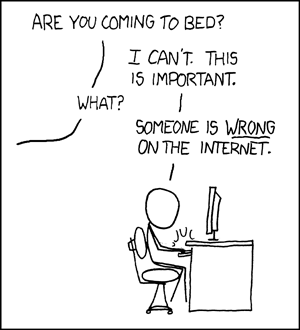
Source: XKCD


I've read Simon Prior's blog post Building a world class test team, and I didn't like what I've seen. 

There's the overuse of my least favorite 4 letter word, but putting that aside, I found that I'm disagreeing with the definitions he's using.  His idea of a "good test team" is a safety net role that enables others to disregard their responsibilities and directly contribute to worse software. The "great" test team is the first thing that starts to get close to an almost decent team, as he's added "preventing defects" which I chose to interpret generously as being involved in crafting the requirements and planning the work with the other members of the software engineering group.
Then, the "World class test team" is complete contradiction. It's described as "all of the above" AND some properties of what I would call pretty good testing - not being the scapegoat, coaching, improving other functions work - a lot of things that are not very compatible with owning the large part of the testing effort. Sure, I can imagine this working in some places, but it would be like hammering a bolt that doesn't fit well into place - it will work in the end, but you've invested more effort than you should have, and it will be a mess to deal with it every time you need to change something. 

Instead, I want to suggest another definition - in almost all cases, a world-class testing team is one that has disbanded (or is actively working towards that goal). As much as I like being a tester by role as well as by identification, my main aspiration is to bring the place I work in to a state where they don't need dedicated testers (note - I said "don't need",I didn't mean "just get rid of") - the way to achieve this is to embed the testing mindset and activities as part of every step in the process, from feature definition to deployment. Something very much like Dan Ashby's model of where testing fit in DevOps. It will take a while to help build the necessary infrastructure needed for self-testing and even longer to instill a culture where testing is part of being a professional, but if we want "world class" testing, one that people can learn from, it's this property we are looking for. 


In addition to this, I found two points of disagreement with the practical advice of building a good test team. The first one is using "9 to 5 testers" as a derogatory term. It's covered beneath some layers of "there's nothing wrong with it", but still confounds working reasonable hours with box-ticking and lack of development. When building a team, respecting their private time is super important, and accommodating improvement within regular working hours is key to building  the team. want to fend off stagnation and rigidness? find a term that will not push towards expecting people to put their free time for the business. 

The second issue is the advice to diversify with hiring. It's not a bad idea, but in many cases it's not a viable option - by my experience, finding senior testers is way more difficult than finding experienced coders, and it seems that it is so in other countries as well


Monday, January 17, 2022

Deep work - Book review


Following a recommendation from Tomer Cohen (He wrote in Hebrew), I finally got to listen to Cal Newport's "Deep Work: Rules for Focused Success in a Distracted World", and my reaction to it is  quite ambivalent.

The book starts with a very tempting, yet quite weak proposition of value: Deep work is valuable, and its value increases with the proliferation of knowledge work in today's world. On the other hand, increasing connectivity and interruptions makes this particular skill rarer, so it can make you stand out in your profession and earn more. It then moves on to claim that deep work will also make you happier. Basically - it's a panacea to all of the modern world's ailments. And, like the lovely book "Calling Bullshit:The art of skepticism in a data driven world" has reminded us - great claims requires great deal of evidence. Not only that this book does not provide that sort of evidence, it goes on to actually show a counter-example, acknowledging that deep work is not the only way to wealth, and dismissing it with a statement along the lines of "even though there are other ways to wealth, it does not mean that deep work isn't a way to put you ahead of everyone else (perhaps except the CEO that provided the counter-example, but for most of us it's not an option)". Convinced? Neither was I.

But, before I go on rambling about deep work, it might be worth it to define the term. The definition used in the book is: "Professional activities performed in a state of distraction-free
concentration that push your cognitive capabilities to their limit. These efforts create new value, improve your skill, and are hard to replicate". long story short - deep work is hard, valuable mental work.

Anyway, while the evidence fall short of the grand claims, the book actually tells a compelling story, and if we accept some of the assumptions made hastily - its conclusions are inevitable. For instance, one reason that deep work should make one happier goes as follows: Quote the work in Winifred Gallagher's RAPT to base that people happiness has more to do with what they focus on than with what objectively happens to them, state (assume) that deep work is focusing on more meaningful activity than the shallow trudge of interrupts, conclude that since one spends more time focused on meaningful events, they will feel a greater sense of meaning in life, or quote Mihaly Csikszentmihalyi's "Flow", assume that deep work is more prone to lead a person to the sweet spot between challenge and success to greatly increase one's chances of experiencing flow, and since being in a state of flow is known to increase happiness, so does deep work.
As you might have noticed, the assumptions are quite plausible. good enough to be motivating. One issue it sidesteps completely is the question "are there paths other than deep work that are as likely to generate comparable levels of happiness or value? How do we identify we are on such a path or that we might benefit more from one?"

The rest of the book is about tips to incorporate deep work in our day to day. Most advice here is at least convincing, and the author takes sufficient time to base some of the claims - shutting down interruptions and educating your environment can work in most contexts, focus is a skill that needs constant training and is prone to deterioration, actually resting and not doing any work after the work day is a way to increase productivity, and so on. My unease on this part has more to do with the totality of the approaches described in the book. Commitment to deep work is subjugating one's entire being: The default is being in a state of deep work, pausing only for as brief periods as necessary. A lot of it feels like what you might expect in a time-management book, only that the focus is not about "not wasting time", but rather about constantly training your deep working skill. I got tired only from trying to grok the message.

This fatalistic approach is a bit much, but it helps to emphasize that deep work is demanding, even if I believe that it can be done in a less extreme way it is still useful to learn the purists approach, where it is the clearest. It also helps to see various examples of building a schedule for deep work. It can be getting up early to spend a couple of hours in full focus before the day starts for other people who will create interference, it can be planning work so that we divide our calendar time between weeks of solitary focus and those of interruption heavy busy-work. Then there's the part where I felt I was being cheated - after explaining at length how deep work is something that takes time to start (research I think I recall from other places states that it takes about 15 minutes to enter "the zone") and that 4 half-hours of deep work are not as effective as 2 straight hours of it, the author goes to describe the "journalistic" approach which is based on the assumption that people trained in deep work can skip this time and just dive into deep work immediately whenever they have a spare 10 minutes or more. It really felt as a way to say "I'm doing deep work" while ditching aside all of the principles mentioned in the book before. It was also an unpleasant surprise to hear that this is the author's main mode of work - Preaching for deep work and claiming to be quite adept at it, then redefining it as "I do deep work when I decide to do it and have free time from my other distractions" sure does feel like hypocrisy.


That being said, I still took some insights with me.

First of all, I'm still debating with myself about the actual value of deep work in my context - much of my day is about helping others, jumping for a short period and dropping a question that might set things on a better path, mentoring others to do the actual work themselves. Sure, some of the work is done by me, and I find great joy in being able to still contribute directly, but my added value there is not always significant - I might do things faster or a bit better than the less experienced people in my team, but in the time it takes me to do one unit of work myself, I can probably help three team mates to do better work and complete 3 units of work that will be 80% as good as if I would have done it. So, where do I see more value? If I'd try to frame this in deep-work lingo, I'd borrow some of Kahneman's Thinking fast and slow and claim that by practicing, I managed to move some of the skills that require deep work and concentration to the more automatic parts of my mind and now I provide value by doing deep work in a shallow fashion - using those automatic skills to improve my environment. This means that my skill is based on deep work, and even if I believe that most of the value I provide is collaborative and interruption heavy (collaboration can, in rare cases, be deep work in itself, but the book usually treats it as solitary work), I should still invest some time in deep work to expand the base I'm building upon and to make sure I'm still connected to the work.

It also serves as reminder - not everything I do is equally important, and there are some things such as e-mail or instant messaging that can be pushed aside instead of sapping my attention.
Another thing that intrigues me is the claim that we are addicted to interruptions - I'm definitely going to try some of the tactics to train my mind to be more focused, such as defining breaks from concentration (perhaps using pomodoro) and learn to stick to them - no breaks until the buzzer. 

I think that the most fitting analogy to this book would be an olympic runner sharing tips on how to become a better runner. This athlete will surely recognize that the amount of effort needed to get to their level is ridiculous, but even when they will try to dial down the effort, they cannot unsee what they know - What you eat, how you sleep, how balanced are your core muscles, all of this has an impact on your running. Getting advice from someone like that will create the impression that there is nothing more important in life, which is true for very specific cases.
This is why I probably won't invest the effort to become a professional deep-worker who's managed by the hunt for deep work, it might be relevant for highly competitive fields such as academia or writing, but I suspect the reward is much smaller in software development where good employees are rather hard to find. A focused deep worker might be a lot better than me, but the difficulty of measuring productivity and the fact that most places require the sort of work that my skills are more than enough for - it will be like purchasing a Ferrari to stand in traffic. It *can* get to silly speed, but you would do just the same with a car tenth of that price. I need and want to be good at my work, trying to be the best of the best is not worth the effort. Instead, I'll treat it the same way I treat my bicycle. It's fun, it builds some sort of muscle, and I gain a lot from this as a hobby.